

Canvas of Hope: Healing Through Creativity with Art Psychotherapy
Our Flagship Art Psychotherapy Service
Canvas of Hope is YCSA’s flagship therapeutic service a creative, evidence based programme supporting the emotional wellbeing of children, young people and families from, refugee and asylum seeking communities.
It provides a safe, culturally sensitive space for children and young people (aged 7–25) to explore feelings, recover from trauma, and build resilience through art and play.
Canvas of Hope is YCSA’s specialist school and community based creative therapeutic programme, providing one to one confidential art psychotherapy delivered by qualified art psychotherapists. Using creativity as a non-verbal therapeutic approach, the programme supports children and young people who may struggle to express emotions verbally or in English. The service is child centred, trauma informed, culturally inclusive and focused on early intervention and emotional resilience.
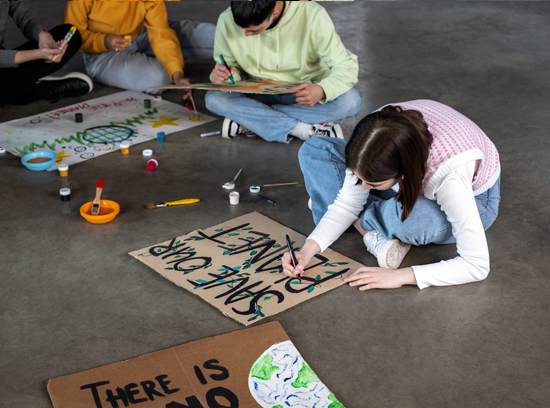
Developed from our Healthy Young Minds programme (funded by Comic Relief 2020–2025) and then for 3 years by the Robertson Trust. Canvas of Hope continues YCSA’s commitment to accessible mental health support for children, young people and their families who face barriers to traditional talking therapies.
Many of those we support have experienced trauma, racism, language barriers, or family displacement. Through creative expression, they can begin to make sense of experiences that words alone can’t capture.
Now delivered within local communities including through NHS Community Link practitioners and GP practices in the future, this service is expanding beyond schools to reach families where help is most needed. Sessions are led by HCPC registered art psychotherapists, who use approaches proven to enhance emotional resilience, self esteem, and connection.
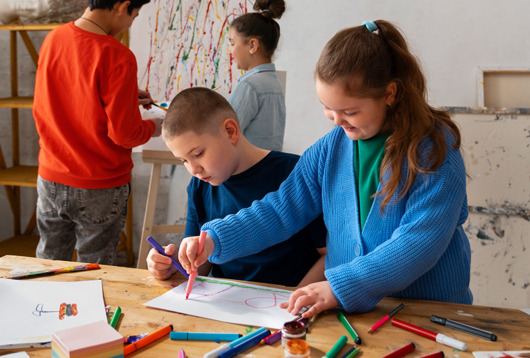
Our Aims
- Improve confidence, wellbeing, and resilience among young people.
- Strengthen family relationships and emotional communication.
- Tackle stigma and discrimination surrounding mental health.
- Build local pathways for culturally competent mental health care.
Measuring Our Impact
We use validated clinical tools such as the Warwick Edinburgh Mental Wellbeing Scale (WEMWBS) and its shorter version SWEMWBS for younger children. These measures track meaningful improvements in mental health, confidence, and connectedness alongside qualitative feedback from young people and families.
Initial Outcomes Show:
- Noticeable increases in self confidence and self expression.
- Improved relationships within families and schools.
- Greater engagement with education and community activities.
Looking Ahead
YCSA plans to extend Canvas of Hope across more areas of Glasgow and, in time, to other parts of Scotland. We aim to share our learning nationally and demonstrate the value of art psychotherapy as an effective, culturally responsive model for improving mental health among marginalised young people.